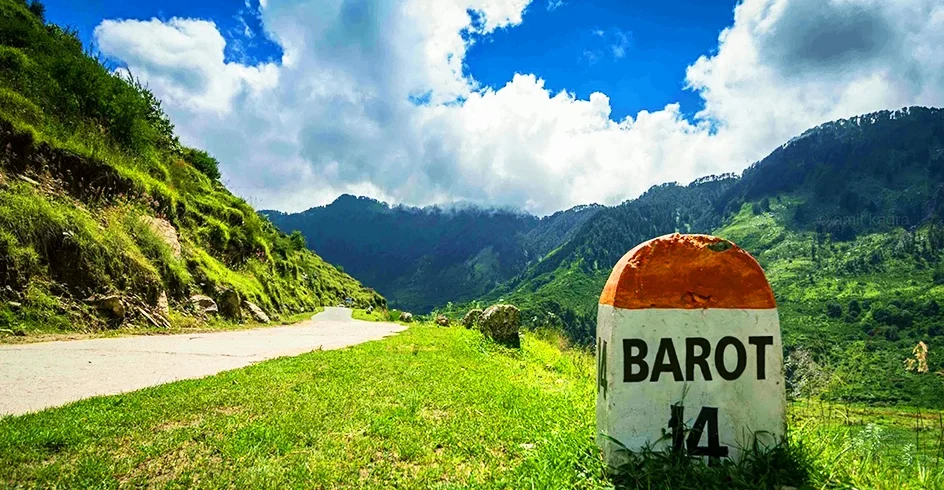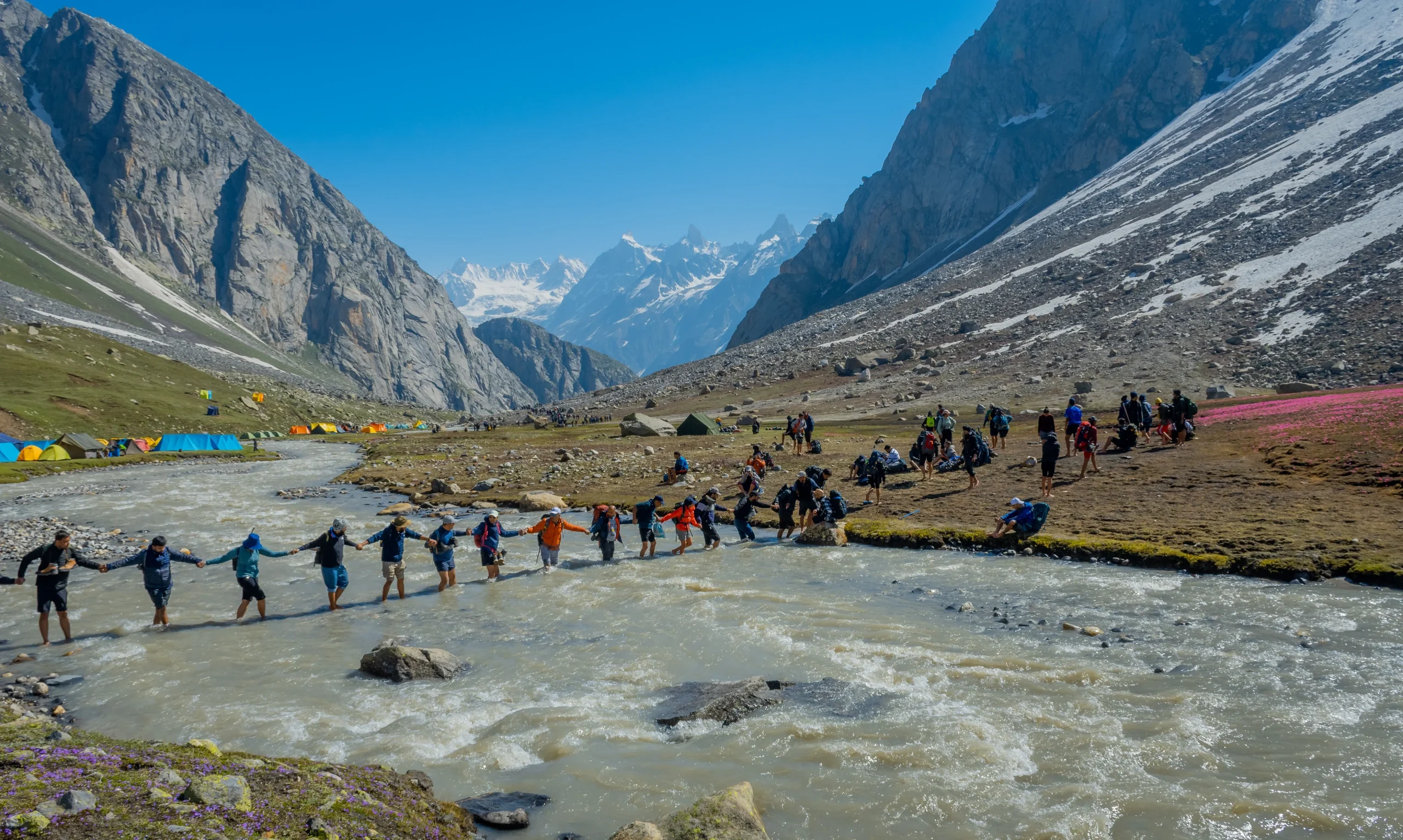
The Hampta Pass and Chandratal Lake Trek is one of the most stunning cross-over treks in the Indian Himalayas, connecting the lush green valleys of Kullu with the barren, dramatic landscapes of Spiti. Ideal for both beginners and experienced trekkers, this 5-day adventure offers a perfect blend of scenic beauty, thrilling passes, and high-altitude adventure.
From thick pine forests, open meadows, and glacial valleys to snow-covered mountain passes and the ethereal blue Chandratal Lake, each day of the trek brings a new surprise and challenge.
Trek Highlights
-
Cross the Hampta Pass (14,100 ft), a dramatic high-altitude mountain pass
-
Camp under the stars amidst lush meadows, beside glacial streams and towering peaks
-
Witness the surreal beauty of Chandratal Lake, the “Moon Lake” of Spiti
-
Experience the contrast between green Kullu Valley and barren Lahaul-Spiti
-
Walk through enchanting forests, rugged terrains, and scenic alpine landscapes
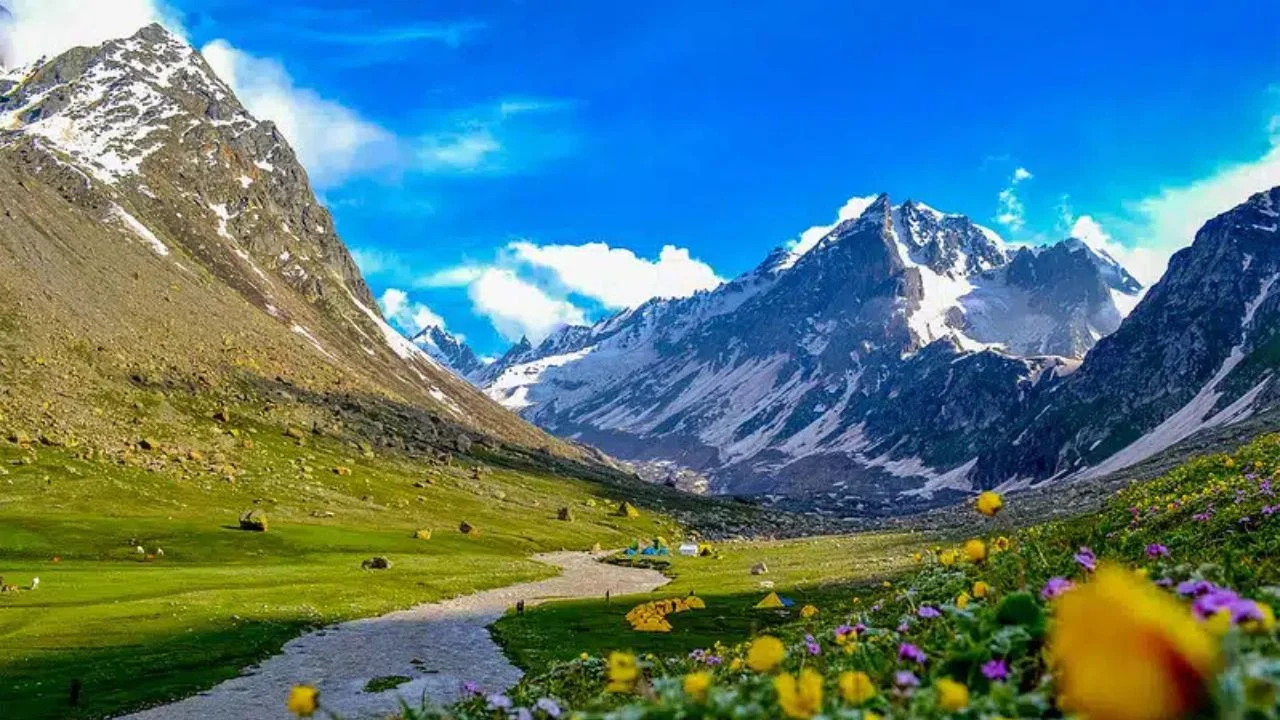
HAMPTA PASS AND CHANDRATAL LAKE TREK 4 NIGHTS 5 DAYS
Travel is the movement of people between relatively distant geographical locations, and can involve travel by foot, bicycle, automobile, train, boat, bus, airplane, or other means, with or without luggage, and can be one way or round trip. Travel can also include relatively short stays between successive movements.
The origin of the word “travel” is most likely lost to history. The term “travel” may originate from the Old French word travail, which means ‘work’. According to the Merriam Webster dictionary, the first known use of the word travel was in the 14th century.
It also states that the word comes from Middle English travailen, travelen (which means to torment, labor, strive, journey) and earlier from Old French travailler (which means to work strenuously, toil). In English we still occasionally use the words “travail”, which means struggle. According to Simon Winchester in his book The Best Travelers’ Tales (2004), the words “travel” and “travail” both share an even more ancient root: a Roman instrument of torture called the tripalium (in Latin it means “three stakes”, as in to impale).