





- Arrive at Jalore in Vehicle
- Trek to Raghupur 3km 1 to 1:30
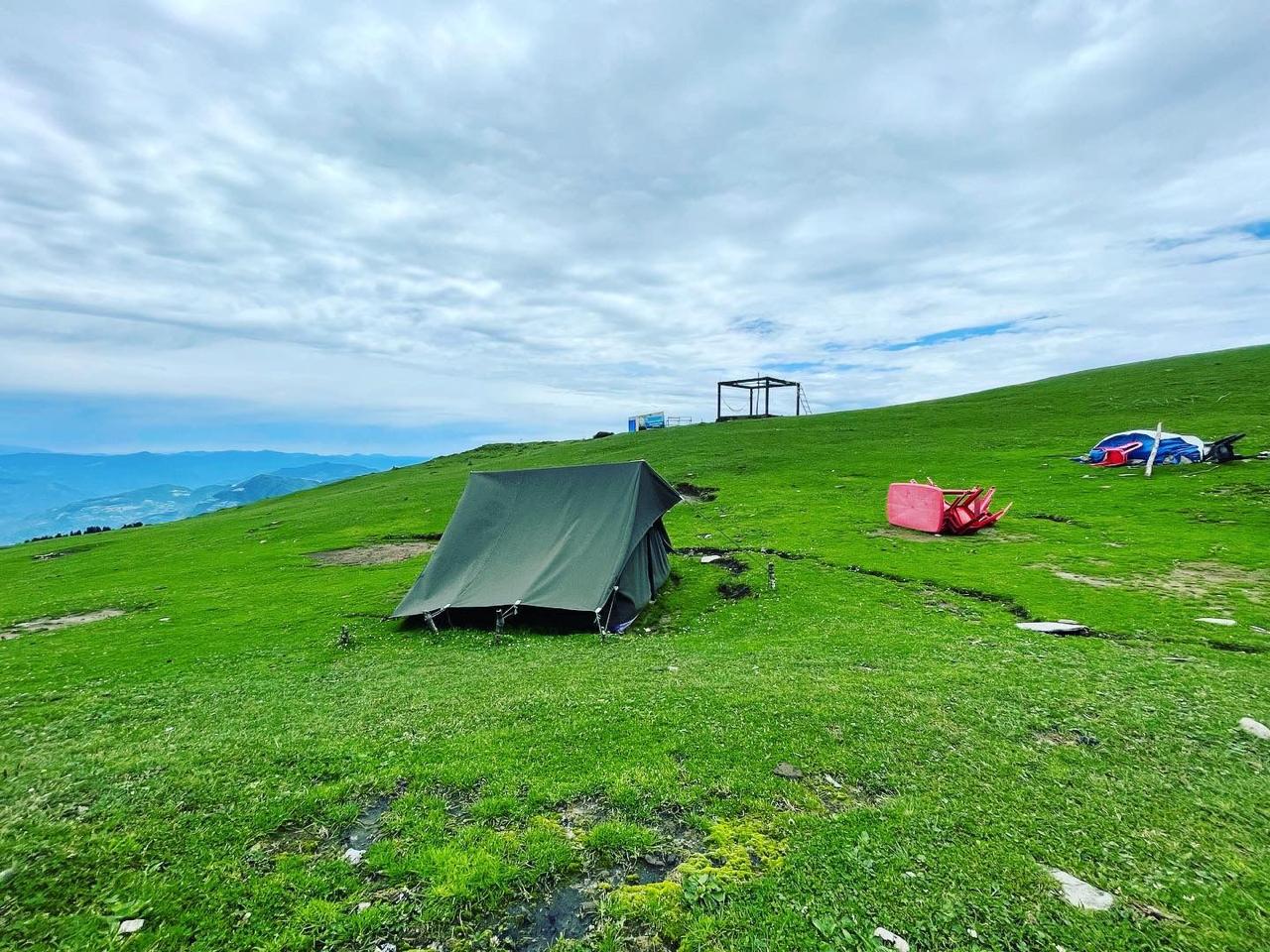
- Stay at Raghupur (MAP)
- Evening Tea, Dinner and Breakfast included
- No Guide Included
Raghupur Fort Trek – A Hidden Himalayan Gem
Location: Shoja / Jalori Pass, Himachal Pradesh
Duration: 1 Day (Half-day Trek)
Altitude: 10,500 ft approx.
Difficulty: Easy | Best Time: March to November
Overview
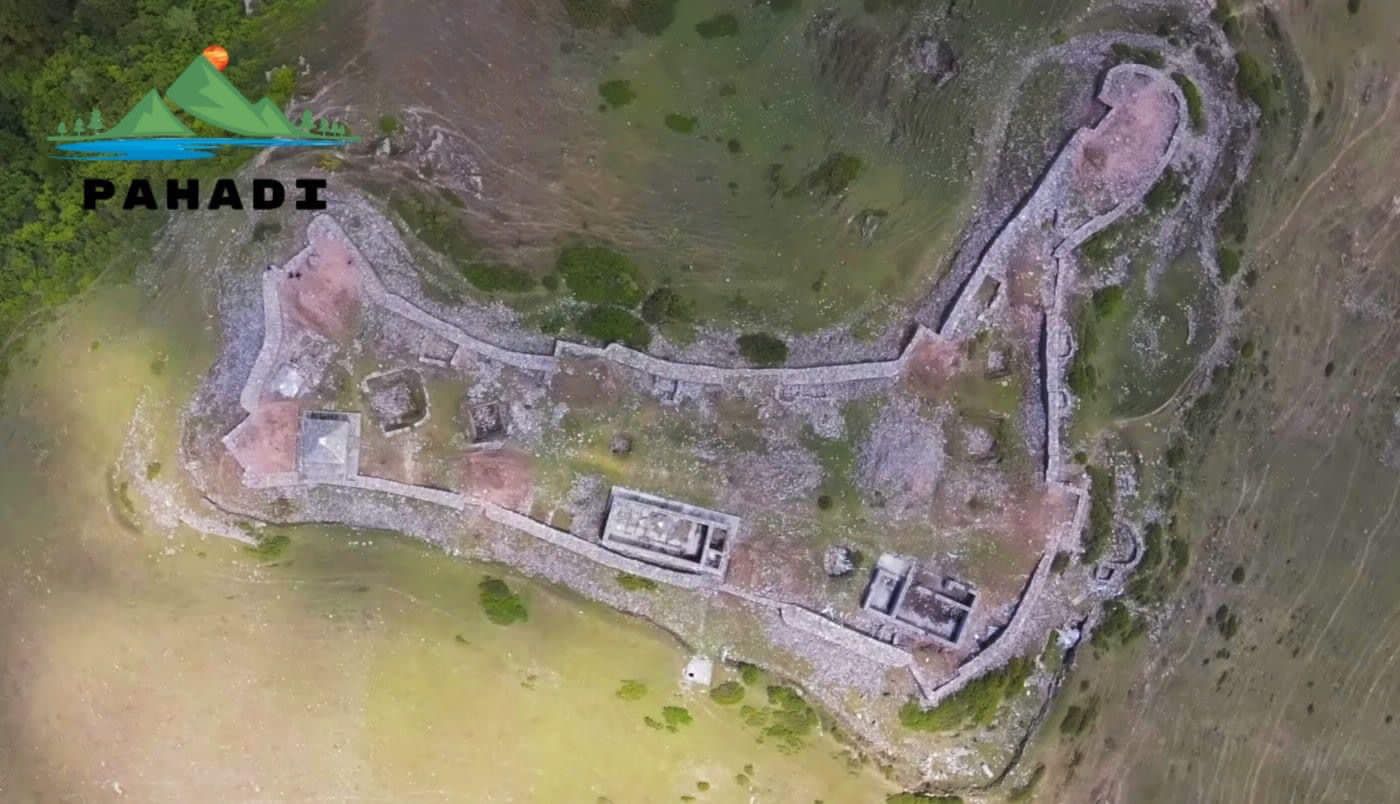
The Raghupur Fort Trek is a short yet incredibly scenic trek near Jalori Pass, nestled in the Seraj Valley of Himachal Pradesh. Ideal for beginners, nature lovers, and those seeking a quick getaway, the trail leads to the ruins of the ancient Raghupur Fort, believed to be built by the rulers of Mandi for protection against invaders.
Though the fort stands in ruins today, it offers breathtaking 360° views of the Great Himalayan ranges, deep valleys, and dense deodar forests. During spring and summer, the trail is dotted with wildflowers, while autumn and early winter offer crisp skies and unobstructed views.
Travel is the movement of people between relatively distant geographical locations, and can involve travel by foot, bicycle, automobile, train, boat, bus, airplane, or other means, with or without luggage, and can be one way or round trip. Travel can also include relatively short stays between successive movements.
The origin of the word "travel" is most likely lost to history. The term "travel" may originate from the Old French word travail, which means ‘work’. According to the Merriam Webster dictionary, the first known use of the word travel was in the 14th century.
It also states that the word comes from Middle English travailen, travelen (which means to torment, labor, strive, journey) and earlier from Old French travailler (which means to work strenuously, toil). In English we still occasionally use the words "travail", which means struggle. According to Simon Winchester in his book The Best Travelers’ Tales (2004), the words "travel" and "travail" both share an even more ancient root: a Roman instrument of torture called the tripalium (in Latin it means "three stakes", as in to impale).


