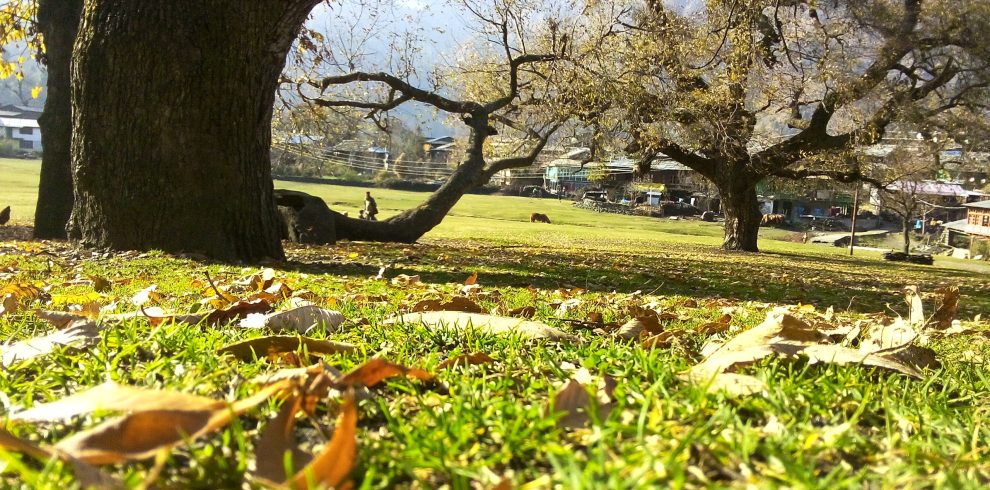
This trek demands crossing of two passes at an altitude of 5000m and hence the expediters having a good sum of trekking endurance and prior experience in trekking.
Friendship Peak Trek Overview
Day 01: Arrival in Manali
Day 02: Drive from Manali to Dhundi and Trek to Bakarthach/Luhali thach
Day 03: Bakarthach/Luhali Thach to Lady Leg Base Camp and Training
Day 04: Practice, Acclimatization and Move to Summit Camp
Day 05: Summit Camp to Friendship Peak Summit and Back to Lady Leg Base Camp
Day 06: Reserve Day for Summit
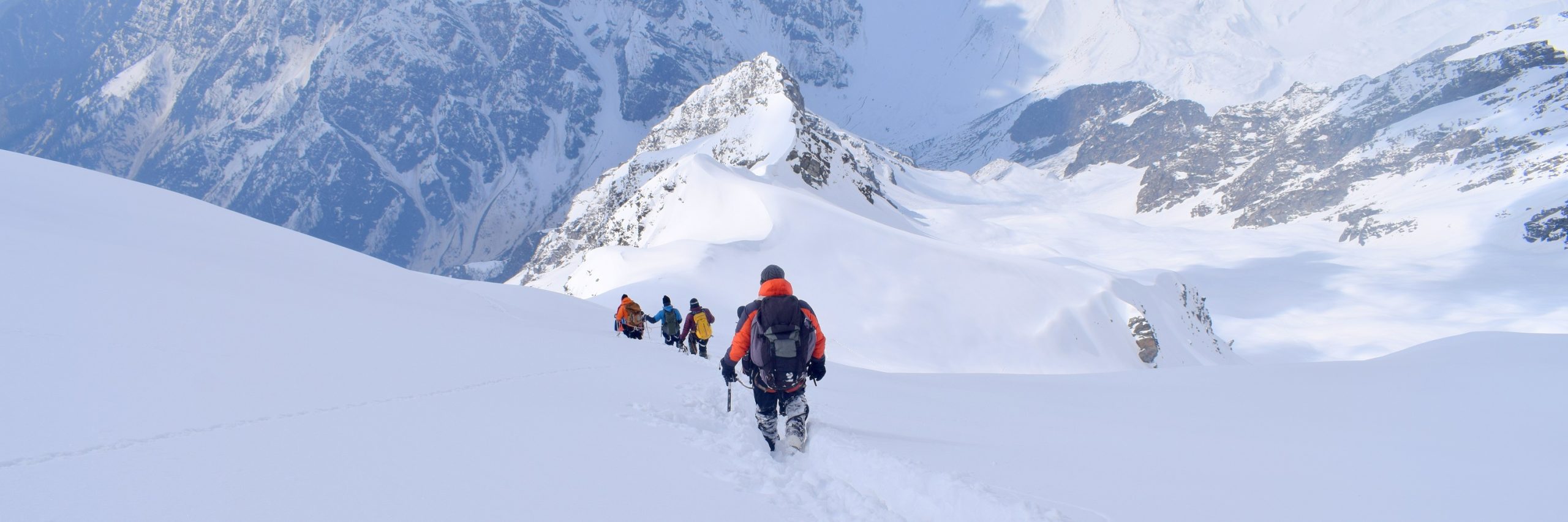
The Friendship Peak Trek is one of the most thrilling and rewarding expeditions in the Indian Himalayas, located in the Pir Panjal Range near Manali. Standing tall at an elevation of 17,348 feet, this is a non-technical climbing peak that offers the perfect stepping stone for trekkers aspiring to enter the world of mountaineering.
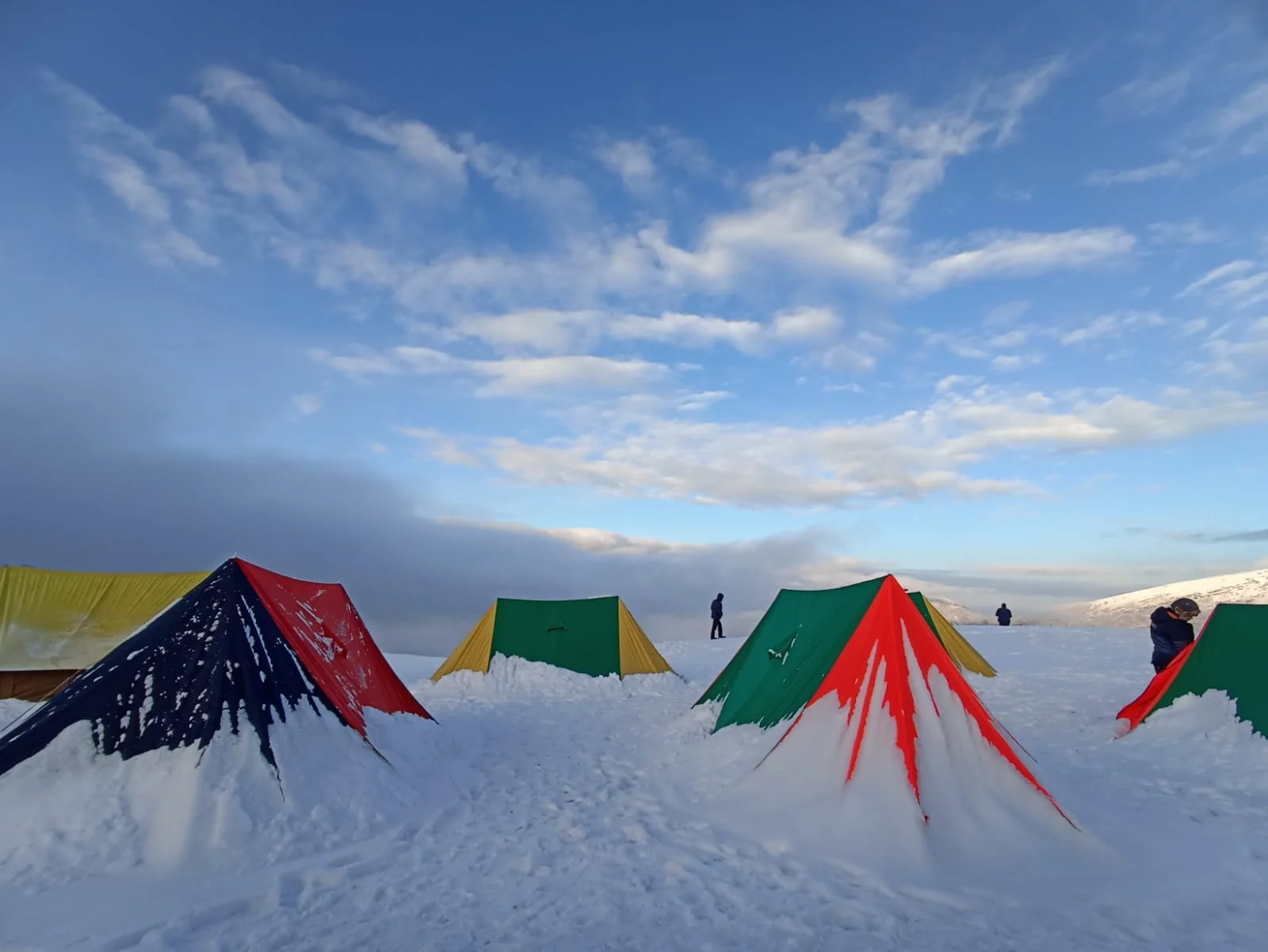
Surrounded by breathtaking views of Hanuman Tibba, Deo Tibba, Shitidhar, and the Dhauladhar range, the climb offers a mix of glacier walks, snow climbs, and alpine camping experiences. It is best suited for those with good fitness and previous high-altitude trekking experience.
Why Choose Friendship Peak?
-
Incredible 360° view of snow-clad Himalayan giants
-
Opportunity to walk on glaciers, ridges, and steep snow slopes
-
Guided by experienced mountaineers and technical team
-
Starts and ends in the beautiful town of Manali
Day 07: Lady Leg Base Camp to Dhundi and Drive to Manali
Travel is the movement of people between relatively distant geographical locations, and can involve travel by foot, bicycle, automobile, train, boat, bus, airplane, or other means, with or without luggage, and can be one way or round trip. Travel can also include relatively short stays between successive movements.
The origin of the word "travel" is most likely lost to history. The term "travel" may originate from the Old French word travail, which means ‘work’. According to the Merriam Webster dictionary, the first known use of the word travel was in the 14th century.
It also states that the word comes from Middle English travailen, travelen (which means to torment, labor, strive, journey) and earlier from Old French travailler (which means to work strenuously, toil). In English we still occasionally use the words "travail", which means struggle. According to Simon Winchester in his book The Best Travelers’ Tales (2004), the words "travel" and "travail" both share an even more ancient root: a Roman instrument of torture called the tripalium (in Latin it means "three stakes", as in to impale).